Cutting planner
How much fabric does it take to cut?
Pick a single pattern or a whole dress and the planner lays the real pieces out on a 1.3-wide bolt, holds the grain you ask for, and reports the cloth each fabric needs with the cutting steps it takes.
1,852 panels · 215 cuttable cuts · game data build 25482629
What are you cutting?
What is on the table
Choose the part and the pattern. The layout follows the pattern you pick, never the other way round.
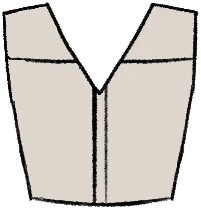
This Bodice is laid out at the neutral mannequin's measurements until you pick a customer.
Change pattern
Pattern
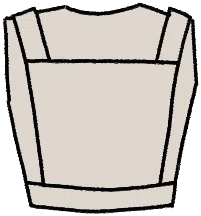
- Apron Bodice7 panels · 2 cutsCut 1
- Aurora Bodice9 panels · 1 cutCut 1

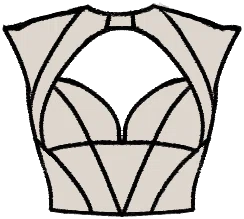
- Belladonna Bodice21 panels · 1 cutCut 1
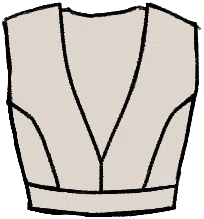
- Belted Jacket Bodice15 panels · 1 cutCut 1
- Black Widow BodiceNo panels · 1 cutCut 1

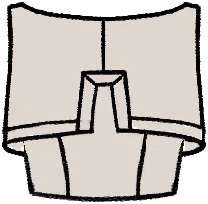
- Bolero Bodice13 panels · 1 cutCut 1
- Bustier Bodice12 panels · 3 cutsCut 1

- Carmilla BodiceNo panels · 1 cutCut 1

- Cinched BlouseNo panels · 1 cutCut 1

- Cinched Keyhole Blouse8 panels · 1 cutCut 1
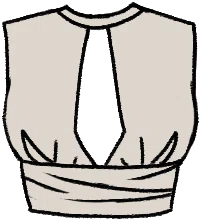
- Coat Dress Bodice9 panels · 1 cutCut 1
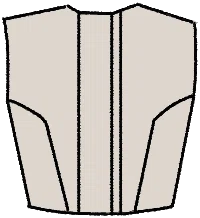
- Corset Bodice12 panels · 1 cutCut 1

- Delilah Bodice8 panels · 1 cutCut 1
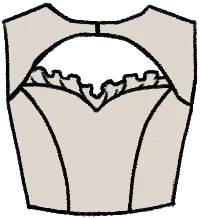
- Dirndl13 panels · 1 cutCut 1
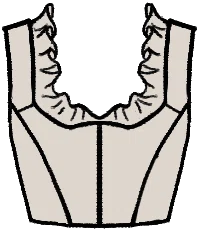
- Double Breasted Bodice5 panels · 2 cutsCut 1
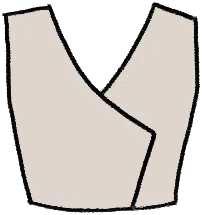
- Elevated Dirndl11 panels · 2 cutsCut 1
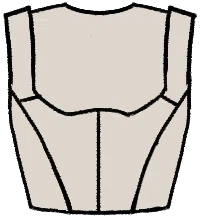
- Elevated Ruffled Square BodiceNo panels · 1 cutCut 1

- Elevated Scoop Bodice8 panels · 2 cutsCut 1
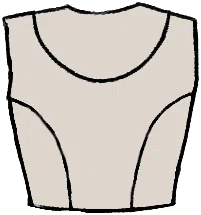
- Elevated Scoop Ruffle Bodice10 panels · 2 cutsCut 1

- Elevated Stays14 panels · 2 cutsCut 1
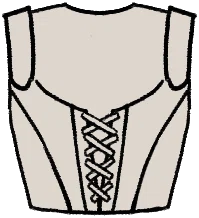
- Empire Waist Princess6 panels · 1 cutCut 1

- Flared Begonia Bodice8 panels · 2 cutsCut 1
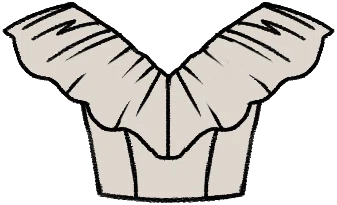
- Front Lace Bodice13 panels · 1 cutCut 1
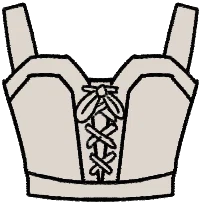
- Front Lace Stays16 panels · 1 cutCut 1
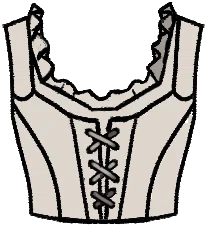
- Gatsby Bodice6 panels · 1 cutCut 1

- Halter Neck Bodice5 panels · 4 cutsCut 1
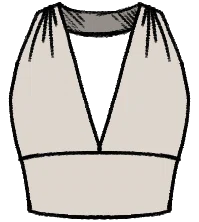
- Jacket Bodice22 panels · 1 cutCut 1
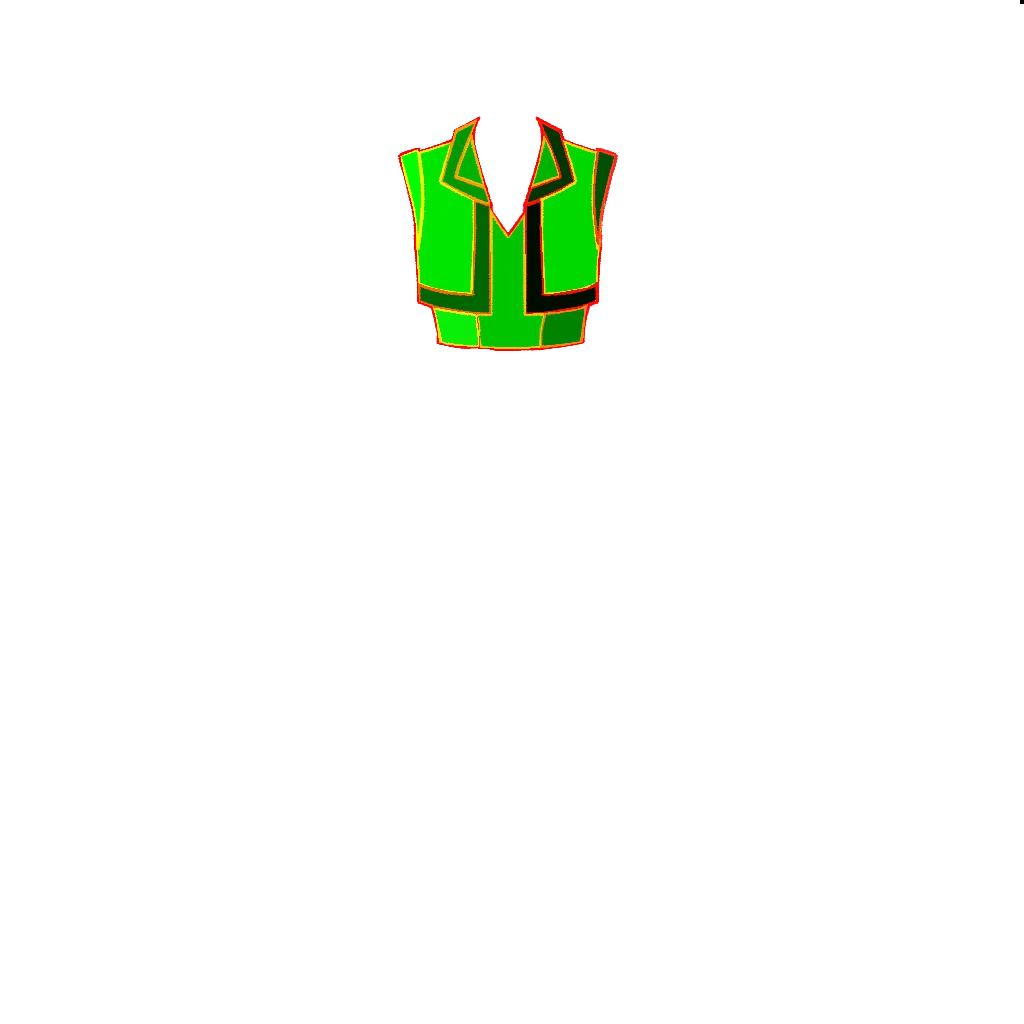
- Yoked Jacket Bodice24 panels · 1 cutCut 1
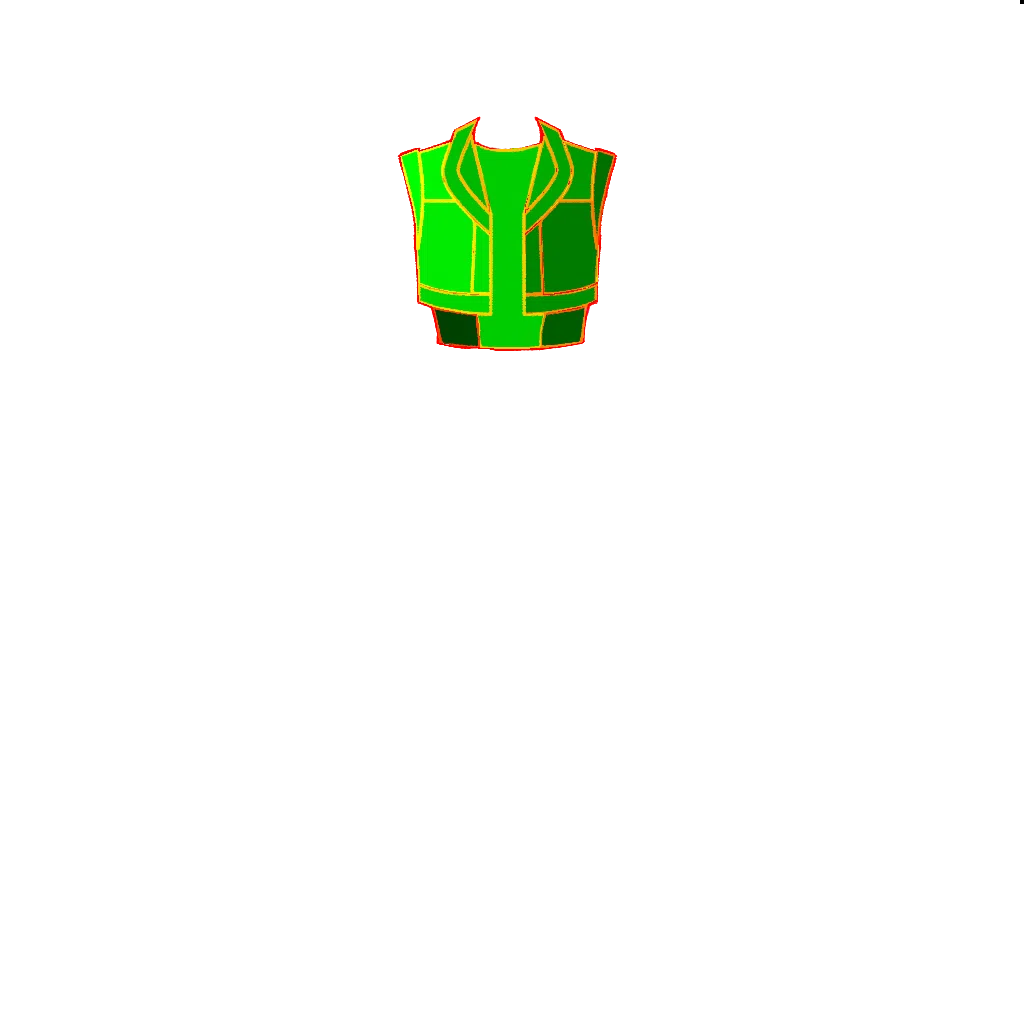
- Kaftan Wrap Bodice8 panels · 2 cutsCut 1
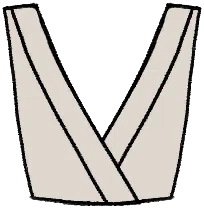
- Katarina Bodice5 panels · 2 cutsCut 1
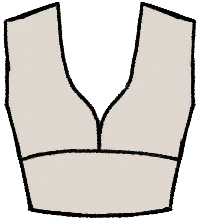
- Kimono Bodice6 panels · 2 cutsCut 1
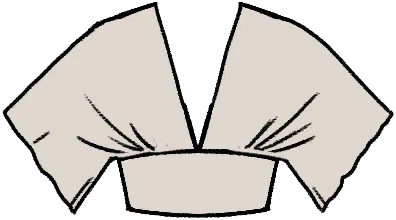
- Land Girl Bodice8 panels · 2 cutsCut 1
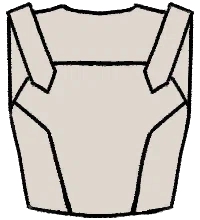
- Milkmaid Bodice7 panels · 1 cutCut 1
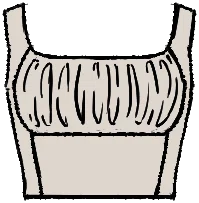
- One Shoulder Bodice2 panels · 2 cutsCut 1
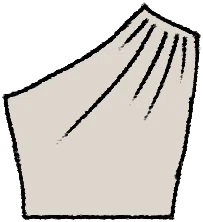
- Plunging Neckline Bodice7 panels · 1 cutCut 1
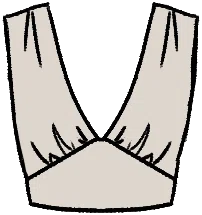
- Princess Bodice6 panels · 2 cutsCut 1
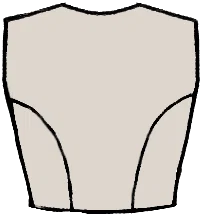
- Heart Princess Bodice6 panels · 2 cutsCut 1

- Princess Scoop Bodice6 panels · 2 cutsCut 1
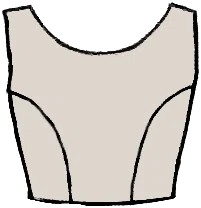
- Scoop Ruffle Bodice8 panels · 2 cutsCut 1
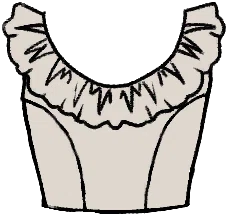
- Princess V Bodice6 panels · 2 cutsCut 1
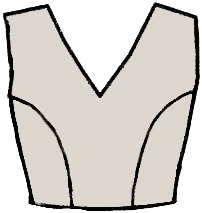
- Elevated Princess V Bodice8 panels · 2 cutsCut 1
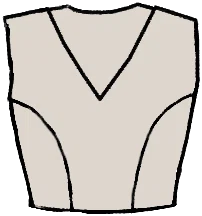
- Princess V Elevated Ruffle Bodice11 panels · 2 cutsCut 1

- Princess V Ruffle Bodice9 panels · 2 cutsCut 1
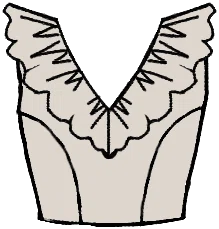
- Queen Anne Bodice6 panels · 1 cutCut 1
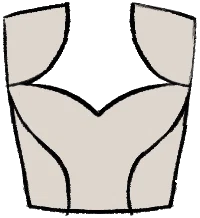
- Ruched Bodice2 panels · 1 cutCut 1
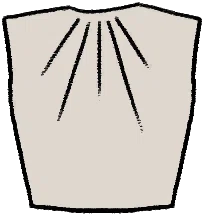
- Ruched Sweetheart Bodice2 panels · 2 cutsCut 1

- Ruffle Apron Bodice9 panels · 1 cutCut 1

- Straight Begonia Bodice8 panels · 2 cutsCut 1
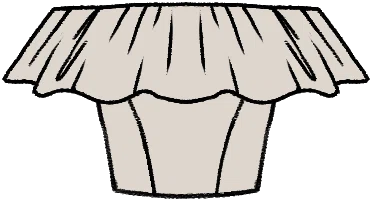
- Off-Shoulder Begonia Bodice9 panels · 1 cutCut 1
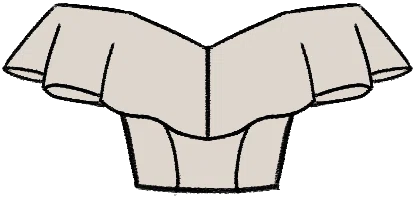
- Ruffled Square BodiceNo panels · 1 cutCut 1

- Sax Bodice9 panels · 1 cutCut 1

- Single Keyhole Bodice6 panels · 2 cutsCut 1

- Split Crew Bodice6 panels · 2 cutsCut 1
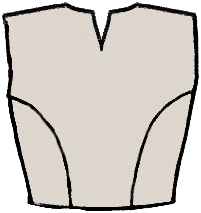
- Square Bodice6 panels · 2 cutsCut 1
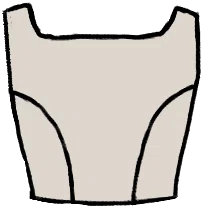
- Strapless Bodice6 panels · 4 cutsCut 1

- Sweet Maiden BodiceNo panels · 1 cutCut 1

- Elevated Sweetheart Bodice12 panels · 2 cutsCut 1
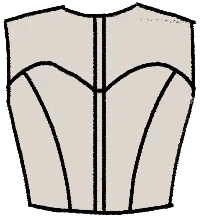
- Sweetheart Bodice6 panels · 1 cutCut 1

- Twilight Hour Bodice5 panels · 1 cutCut 1

- Upturned Yoked Bodice10 panels · 1 cutCut 1
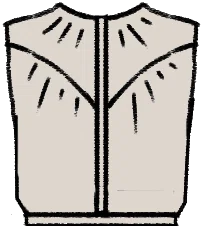
- Viper Bodice13 panels · 1 cutCut 1
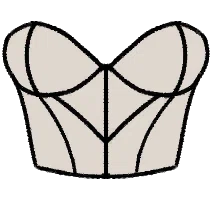
- Waistcoat Bodice14 panels · 1 cutCut 1
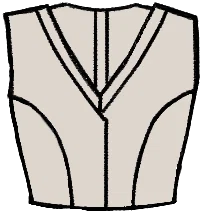
- Waterfall Bodice10 panels · 1 cutCut 1
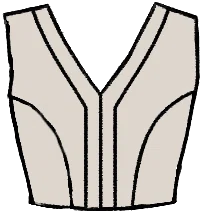
- Widow BodiceNo panels · 1 cutCut 1

- Wrap Bodice3 panels · 2 cutsCut 1
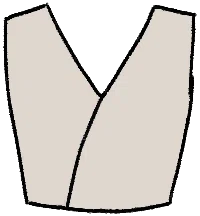
- Yoked Shirt6 panels · 1 cutCut 1
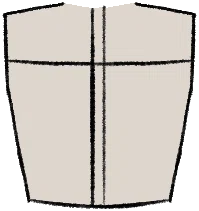
- V Neck Yoked Shirt6 panels · 1 cutCut 1
Who is it for?
A bodice is cut to the bust and the waist, a skirt to the waist and the hips. Sleeves and collars are cut identically whoever wears the dress.
Cutting for the neutral mannequin
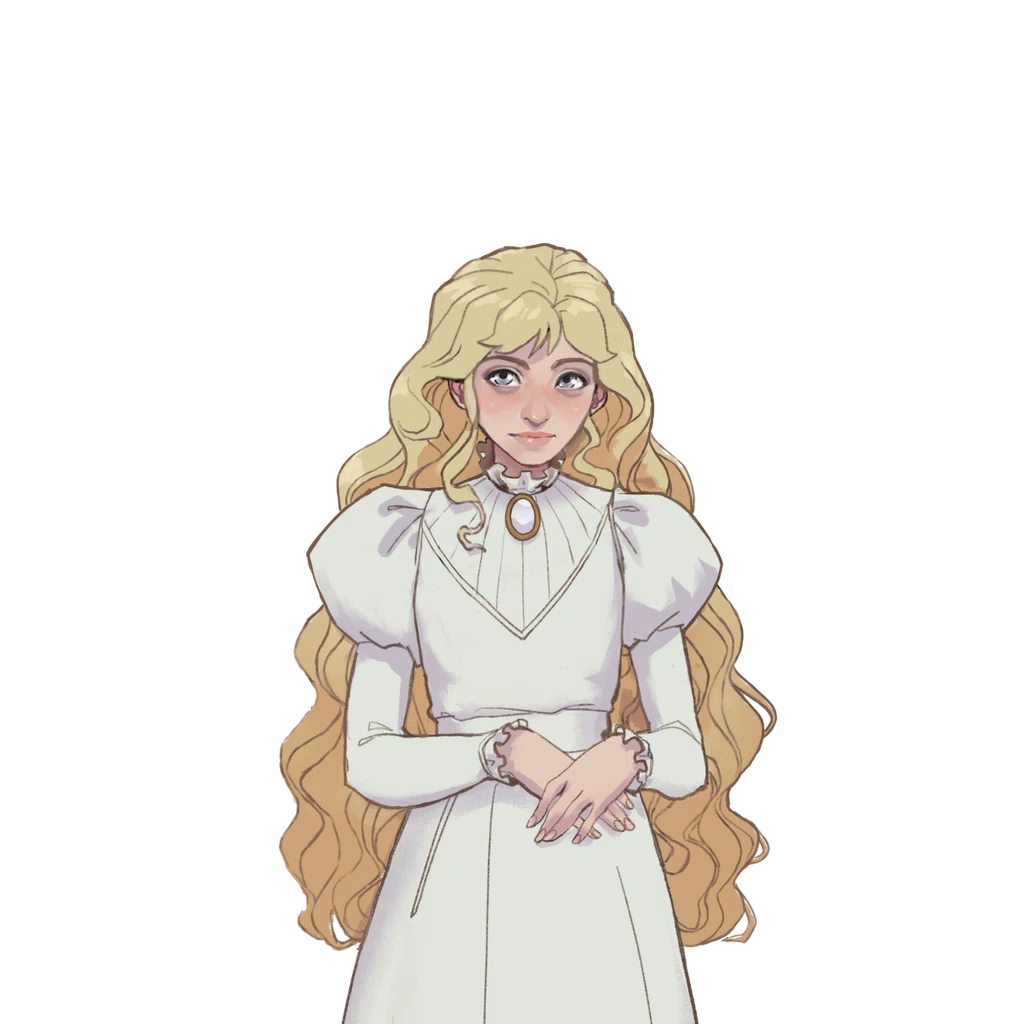
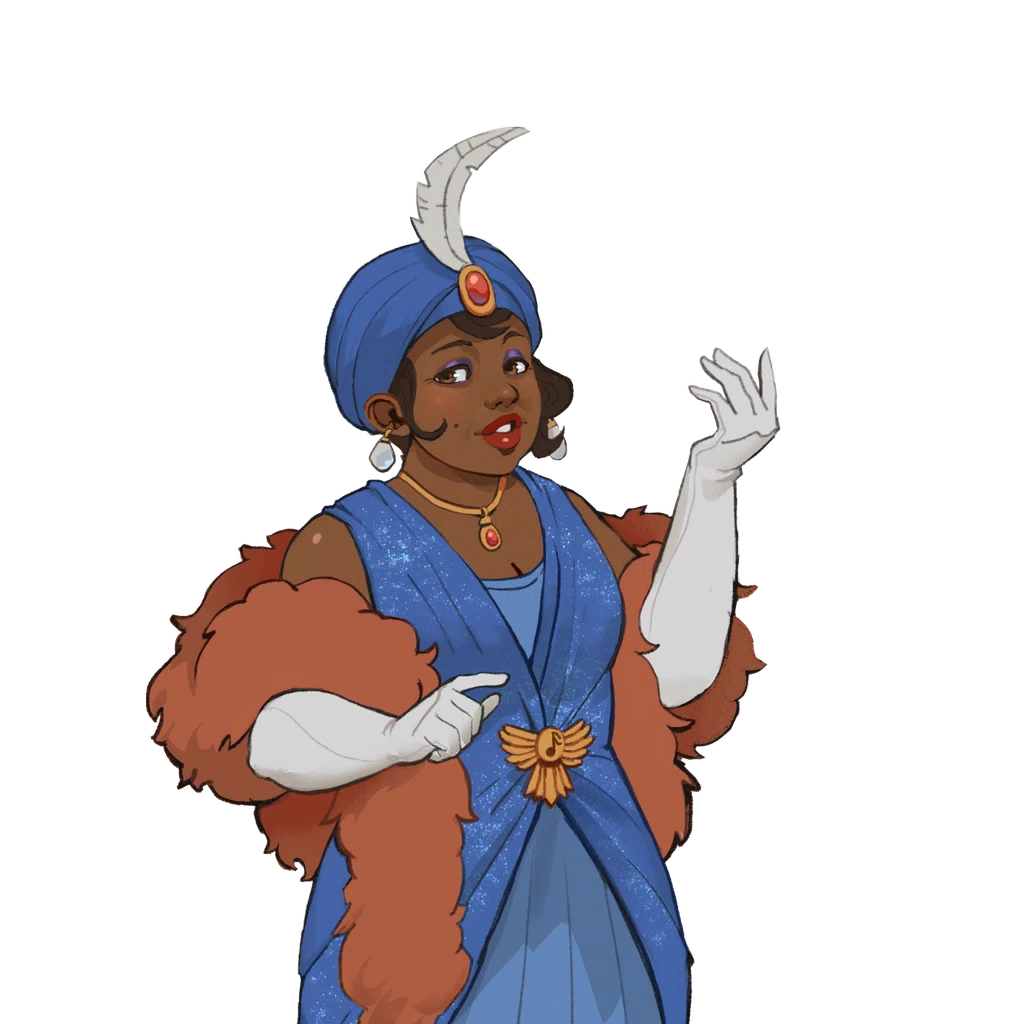
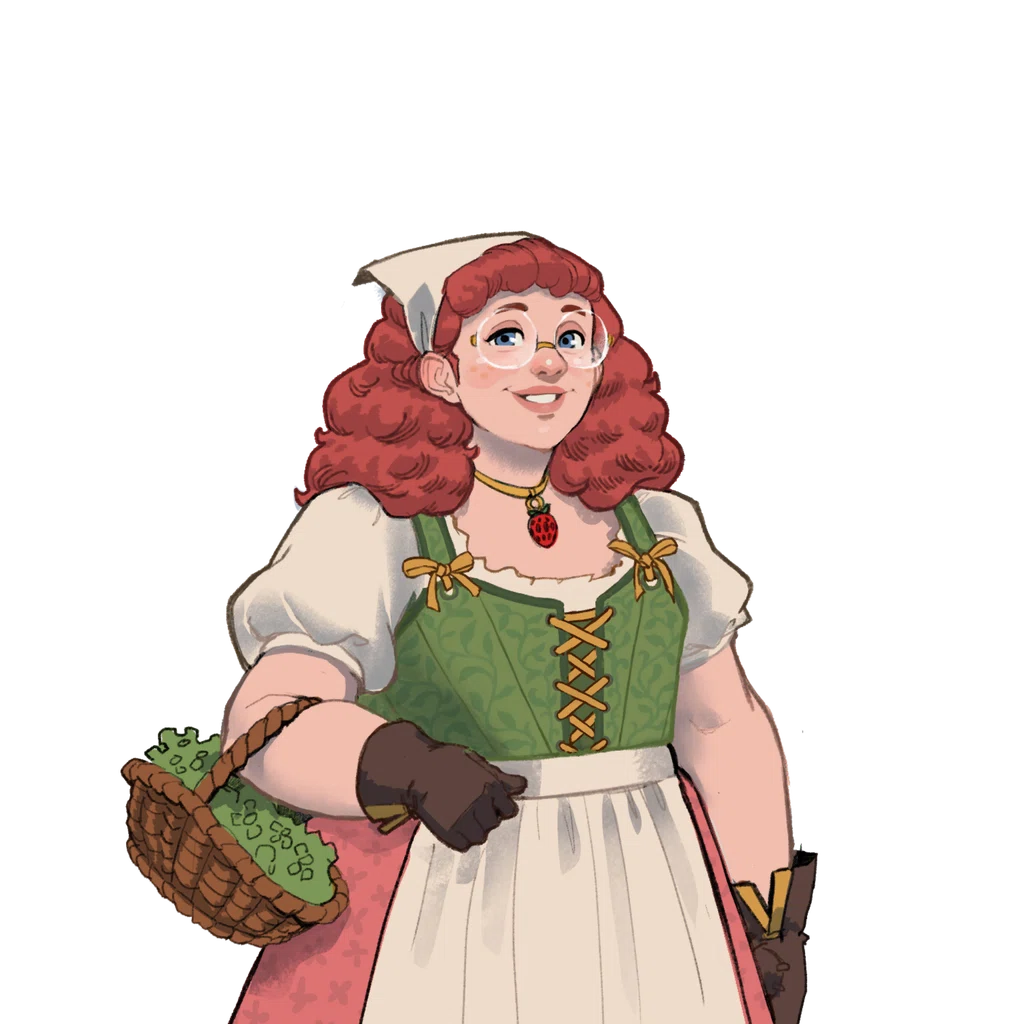
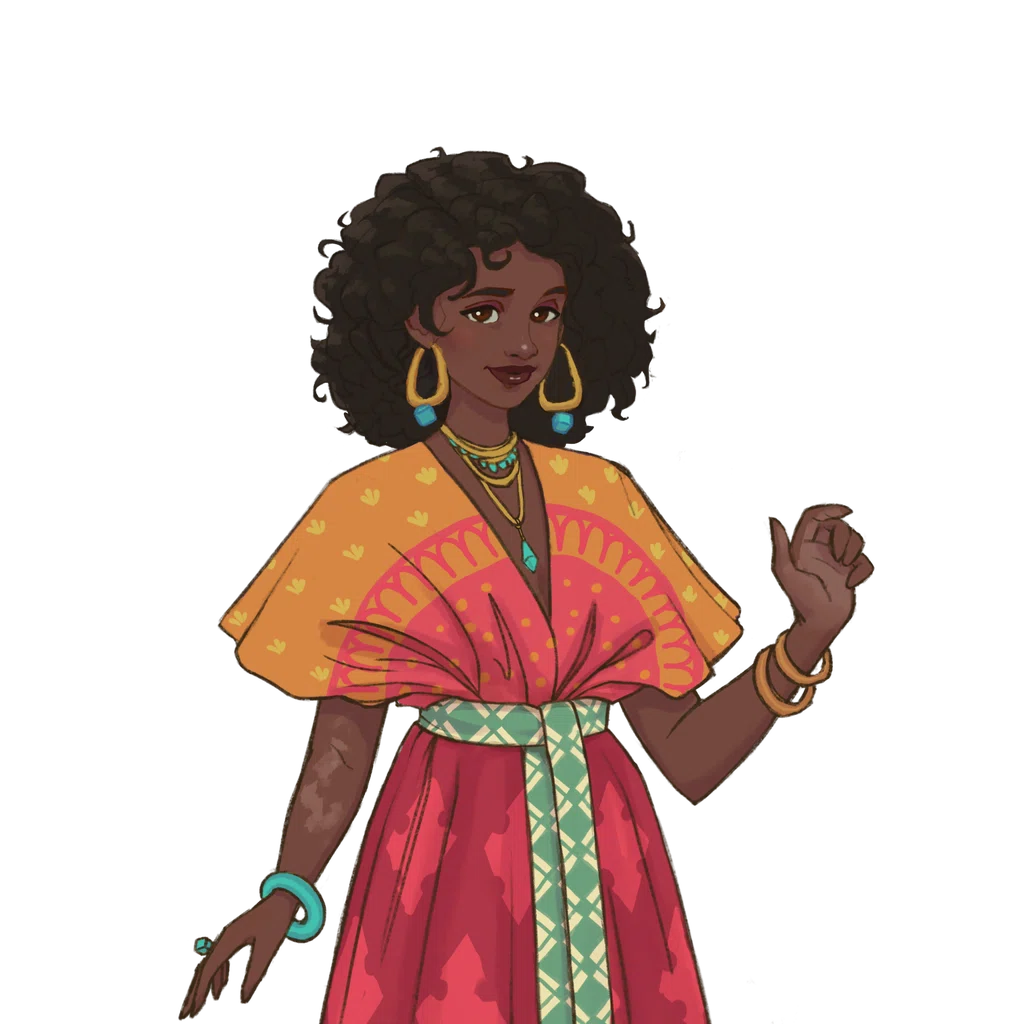
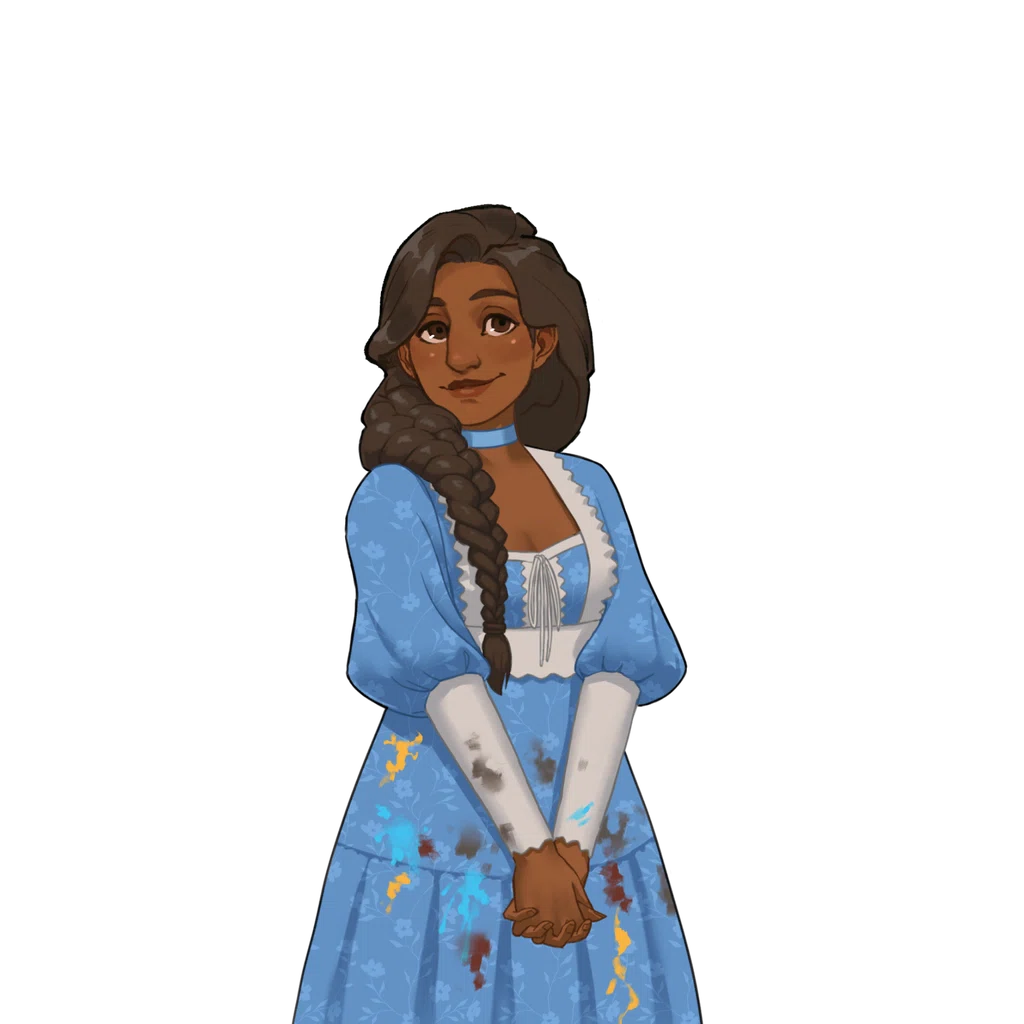
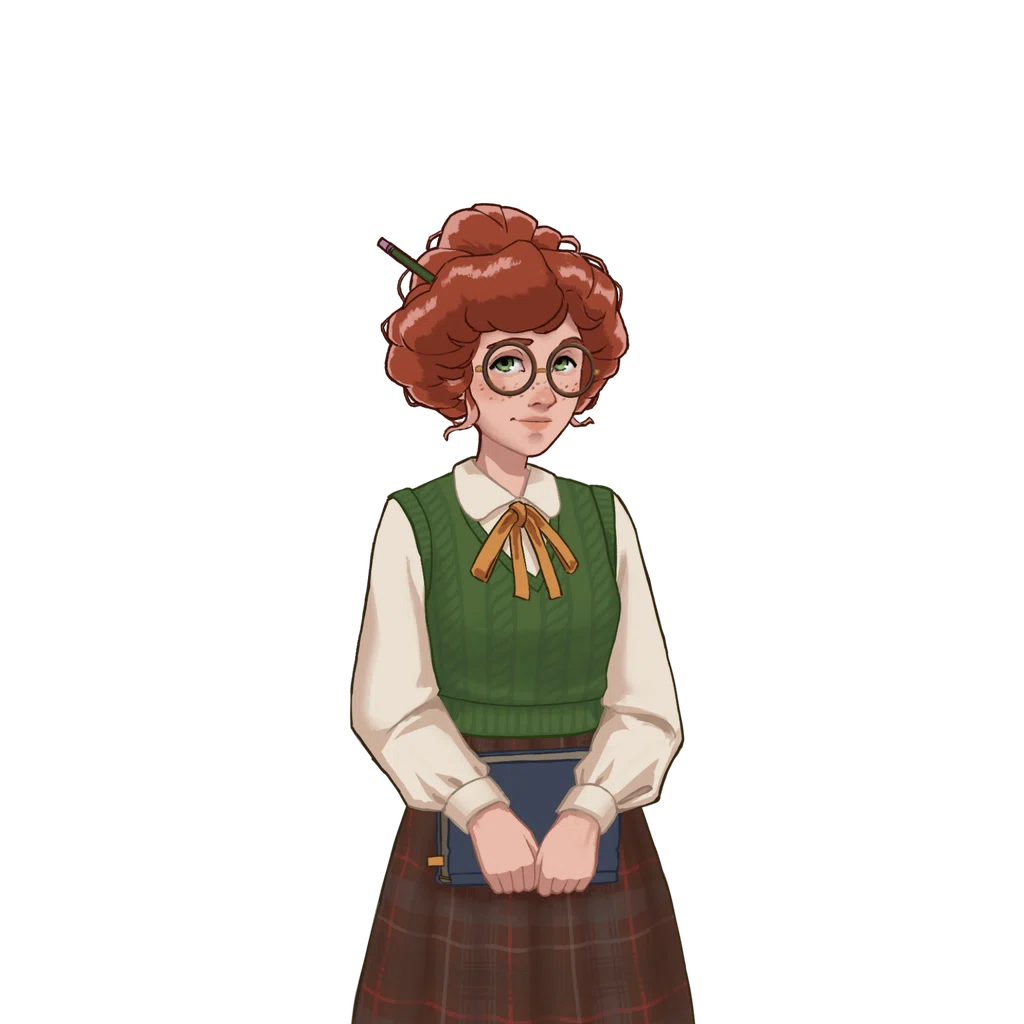
Characters
Pick the customer and every piece that follows her measurements is rescaled before it is laid out.




How straight must the grain run?
Straight down the bolt is a perfect grain. A piece turned across the bolt scores lower, and a piece on the bias ignores the direction altogether.
- Grain 100Every panel at grain 100 or better.
- Grain 95Every panel at grain 95 or better.
- Grain 90Every panel at grain 90 or better.
- Grain 80Every panel at grain 80 or better.
- Grain 75Every panel at grain 75 or better.
- Least fabricLet the grain fall as far as it needs to save cloth.
A tighter grain usually costs a little more cloth. The table under the layout shows what each target would take.
The plan
Best layout found
The packer tries several orders and keeps the shortest run it finds. That is a result, not a proof that no shorter layout exists.
- Cloth needed
- 0.54Summed over every fabric in the plan.
- Average grain
- 92.9The weakest panel came out at 75.
- Panels
- 7Cut from 1 garment parts.
- Cutting steps
- 1The cutting table reaches 10.00, so longer layouts are cut in more than one pass.
Fabric needed
The length this cut takes off the bolt, drawn from the panels' real outlines.
- Unassigned fabric0.54Cut from Bodice7 pieces · 1 cutting stepsNo fabric chosen, so these parts are planned together on one bolt.
The layout
One drawing per cutting step, to scale. Every piece of this cut is in its place on the bolt, with the line the scissors follow.
Each piece is labelled with the part it belongs to. Solid outline is the seam line the pieces are fitted along, dash-dot is the line the scissors follow.
The order to cut in
The cutting table reaches 10.00 of cloth in one pass, so anything longer is cut in stages. Cut the steps in order and pull more cloth off the bolt between them.
- Step 1 — Unassigned fabric0.54 of cloth · 7 pieces
Grain and cloth
What the grain costs on this bolt.
- Cloth on this bolt
- 0.54
- Average grain
- 92.9
- Weakest panel
- 75
Grain is scored per panel: a piece lying straight along the bolt scores 100, a piece turned across it scores lower, and a bias piece ignores the direction. The average is weighted by panel.
What each grain target would take
Each target laid out on the fabric that takes the most cloth, so the cost of a straight grain is visible beside the saving.
What the game counts
The Sketchbook works out what a cut will take from the area of its panels. A layout works it out from where the panels actually land. Both are printed here, because they rarely agree.
- Sketchbook estimate
- 0.76
- This layout
- 0.54
- Difference
- 0.22
Neither figure is wrong. One is what the game charges you in the Sketchbook before you cut, the other is how much cloth the pieces really use once they are nested.
How it reads
How this plan is made
Every part is measured and grown on its own before anything is packed, so a sleeve is never stretched by the customer's bust. Then the parts that wear the same fabric are nested together on one bolt. Seam allowance is added around each piece and the pieces are fitted seam line to seam line, which is why two panels can sit closer than they look like they should.
How the layout is worked out
- The panels are builtEach part is grown from its own pattern: measurements first, then the width cap the game applies to a large customer, then seam allowance around every edge.
- The parts are grouped by fabricParts that wear the same fabric go onto one bolt. Parts that wear different fabrics never share one, because that would be a plan for cloth the dress does not use.
- The pieces are nestedThe pieces are turned to the grain you asked for and nested seam line to seam line, and the shortest run the packer finds is kept.
- Long runs are split into stepsA run longer than the table's reach is split at a straight line into steps, so every step can be cut on the table as it stands.
What it does not do
- Layouts are planned for a 1.3-wide bolt, the width the game's own cutting table works to.
- A panel is placed by its real outline, holes and all. Bounding boxes are never used to stand in for a shape.
- The planner reports cloth, never money. The game prices a dress with its own formula, and that formula is not a layout.
- Average grain is reported. The grade a dress earns also counts fit and sewing, which are not decided here.
The parts on the table
The game's own line art for each part of the dress, so a slot name and a shape on the table are the same thing.
Is this the least fabric possible?
The packer is a search, not a solver: it lays the pieces out in several orders, keeps the shortest run, and can miss a better arrangement. A shorter layout may exist. What the planner does promise is that combining the parts on a shared fabric is never reported as better than it is — when the combined run comes out longer than cutting the parts one after another, the shorter of the two is what you get.
Verified on game data build 25482629.
Where to take this plan
A plan is a thing to act on, so these are the places the cloth gets bought, cut and scored.
- Not sure how cutting works?Which pieces fit where, what the grain line does to a score, and how to keep a cut out of a customer's way.Read the cutting guide
- What the Sketchbook will sayWhat the game itself charges the panels for, before any layout is drawn.Compare the estimate
- Choose a different fabricPrices, style weights and unlock routes for every fabric in the game.Browse fabrics
- Change the dressPut this dress together and try a different fabric or cut on every part at once.Open the workbench
- What will it score?Grain is one of the three things a grade is built from. Fit and sewing make up the rest.Work out a grade
Questions
Cutting questions
How much fabric does a whole dress need?
Add up the cloth each fabric needs: the planner reports one figure per fabric, because two fabrics are two purchases. A dress cut from a single fabric is one figure. Panels are nested on a 1.3-wide bolt, so the figure is a length of that bolt rather than an area.
Can a bodice, sleeves and a collar share one piece of fabric?
Yes, as long as they wear the same fabric. Parts that share a fabric are laid out together on one bolt, so a sleeve can drop into the space a bodice leaves beside the table's own edge instead of starting a new length.
Why is the combined layout shorter than adding up the parts?
Because laying the parts out together finds gaps that three separate layouts cannot. The planner reports both numbers on every shared fabric: what the parts need cut one after another, and what they need cut together. If the combined layout does not come out shorter, you are shown the shorter of the two.
Do sleeves and collars change with the character wearing the dress?
No. A bodice is cut to the bust and the waist, and a skirt to the waist and the hips. Sleeves and collars are cut from the same pattern for every customer, so changing the character rescales the bodice and the skirt and leaves the rest alone.
What is a cutting step?
One pass over the cutting table. The game's table has a reach of 10, so a layout longer than that is split at a straight vertical line and cut in more than one go. Each step is drawn separately and each carries its own length, because each one is a separate length of cloth you pull off the bolt.
Does a stricter grain target use more fabric?
The grain target is a floor rather than a setting: every panel is placed at that grain or better, and a stricter floor usually costs a little more cloth. The table under the layout lists each target beside the length it needs, so the trade is visible before you choose.
Is the fabric on the plan what the dress will cost?
They are separate numbers on purpose. The cost of a dress is worked out from the game's own fabric formula, which is not the length a layout uses, so the cloth this planner reports says what to buy and the cost calculator says what it charges. The planner refuses to price anything.
Planning a cut
A layout is the answer to a question the game leaves open. The Sketchbook tells you what a cut will take before you start, but it works from the area of the panels, and panels do not tile: two bodice halves leave a wedge between them that a sleeve can sit in, and a collar can drop into the gap beside the table's edge. The only way to know how much cloth a dress really takes is to place the pieces and measure.
That is why the planner separates the fabric. A dress wearing two fabrics is two purchases, and a single combined figure would send you to the shop with the wrong number in your head. Each fabric gets its own layout, its own length and its own cutting steps.
Sharing a bolt is where the savings are. When three parts wear the same fabric they are laid out together, so the pieces interlock instead of each part paying for its own leftover edge. The planner reports both numbers on a shared fabric — the parts cut one after another, and the parts cut together — and shows you the shorter one, so a combined layout is never worse than the plan you would have made by hand.
Two things stay outside this page. Money is the game's own formula and not a layout, so a plan never becomes a price. And a grade is built from grain, fit and sewing together, so the grain reported here is one input to a score rather than the score itself.